Everyone is Welcome!
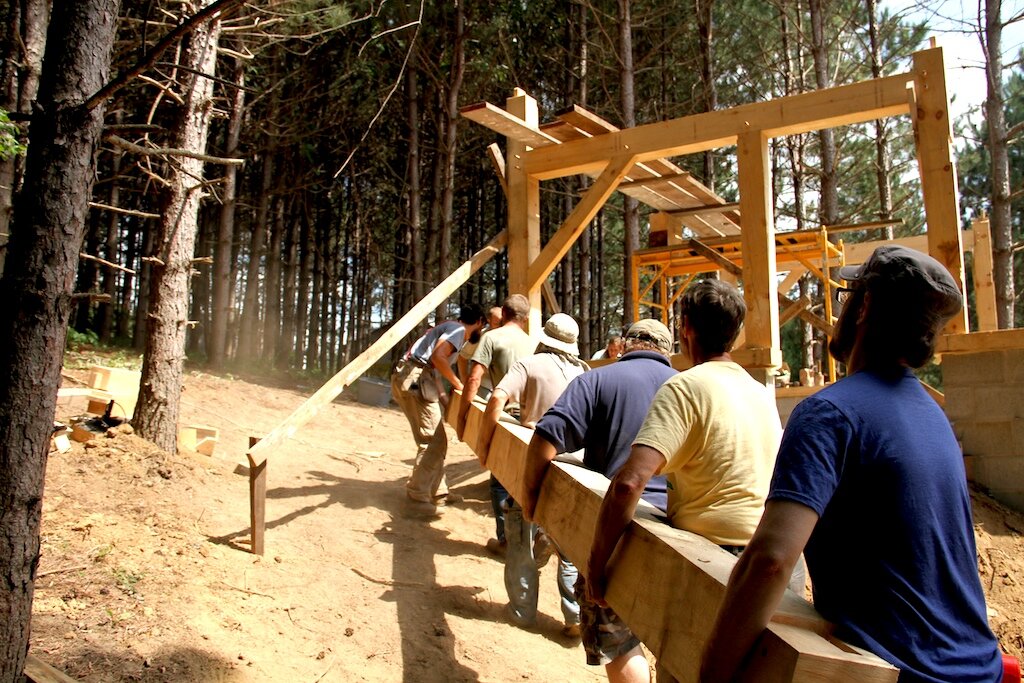
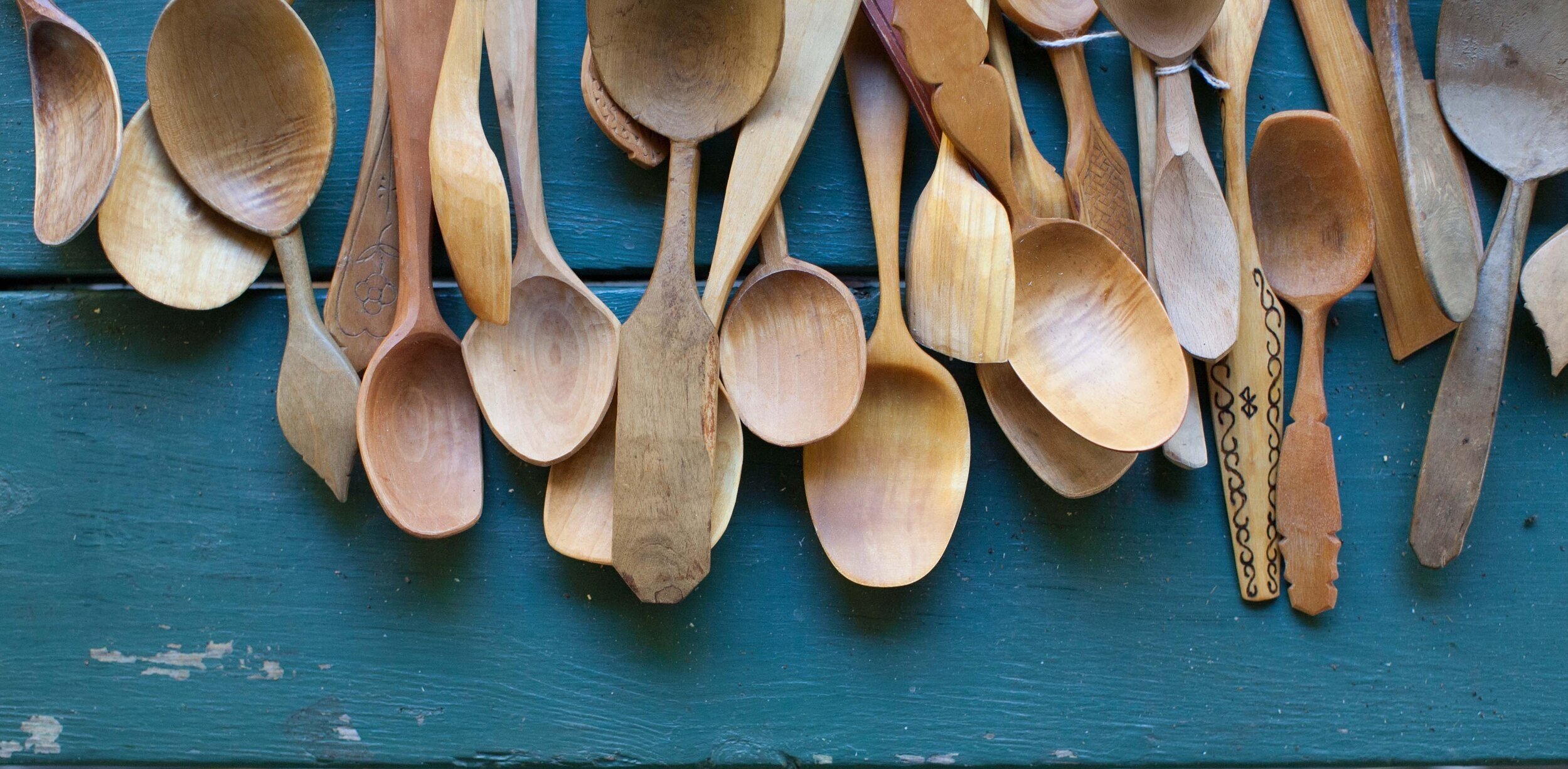
Located in the beautiful rolling hills and valleys of the Driftless bioregion in SW Wisconsin, we offer classes in land stewardship, natural building & woodworking, arts and crafts, organic agriculture, herbalism, wilderness skills, and more. Our aim is to make the skills and knowledge necessary for a sustainable life more widely available to the people of our bioregion and beyond. Come and learn with us!

Community Celebration!
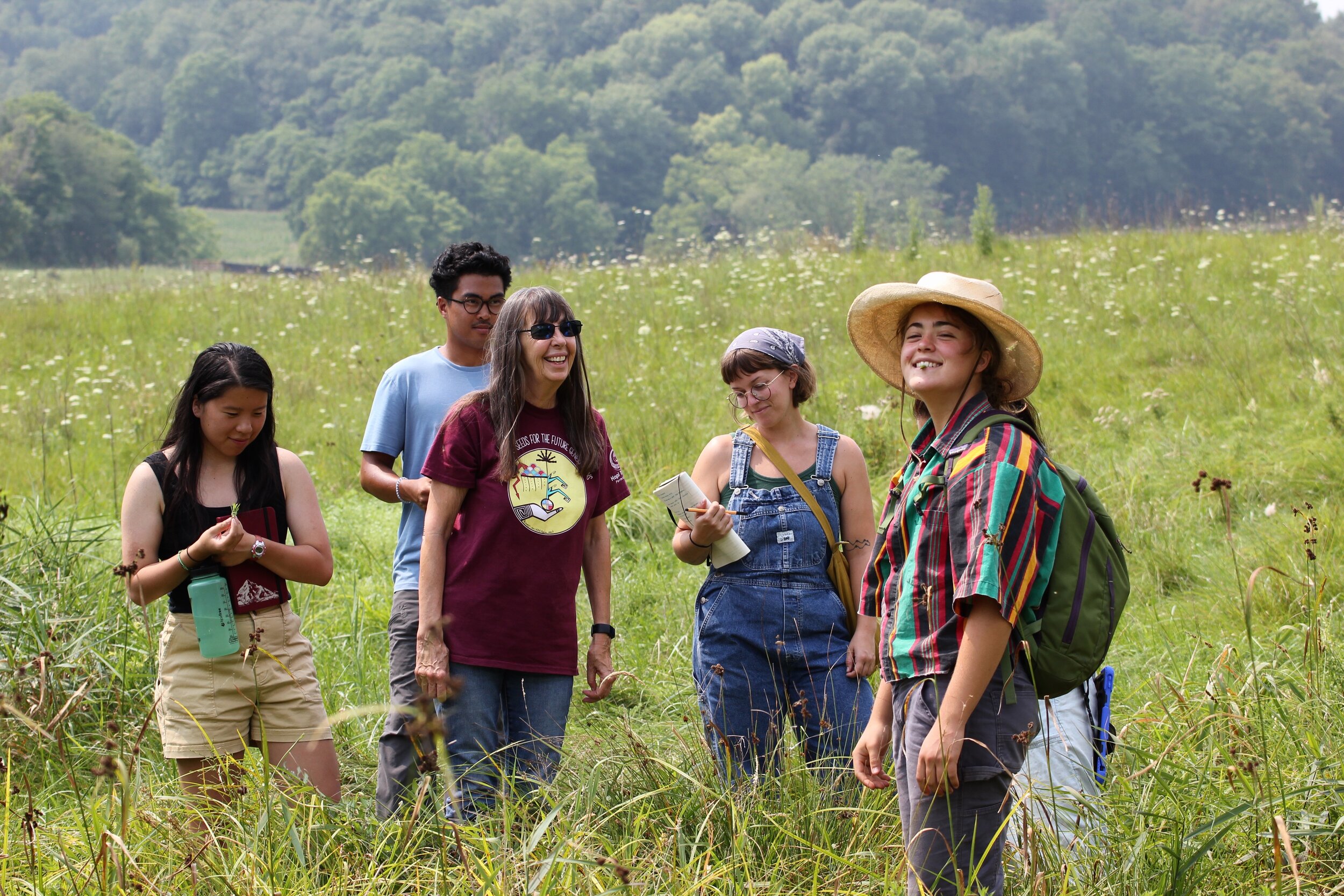
Join us for our 3rd Annual Community Celebration on Saturday, July 5th! FREE micro classes with folk school instructors, live music, ice cream truck, local community connections, and more!

DFS Gift Cards
Give the gift of knowledge and hands-on experiences this holiday season! Driftless Folk School gift cards are the perfect present for the curious minds in your life. Learn more…
Help Support DFS
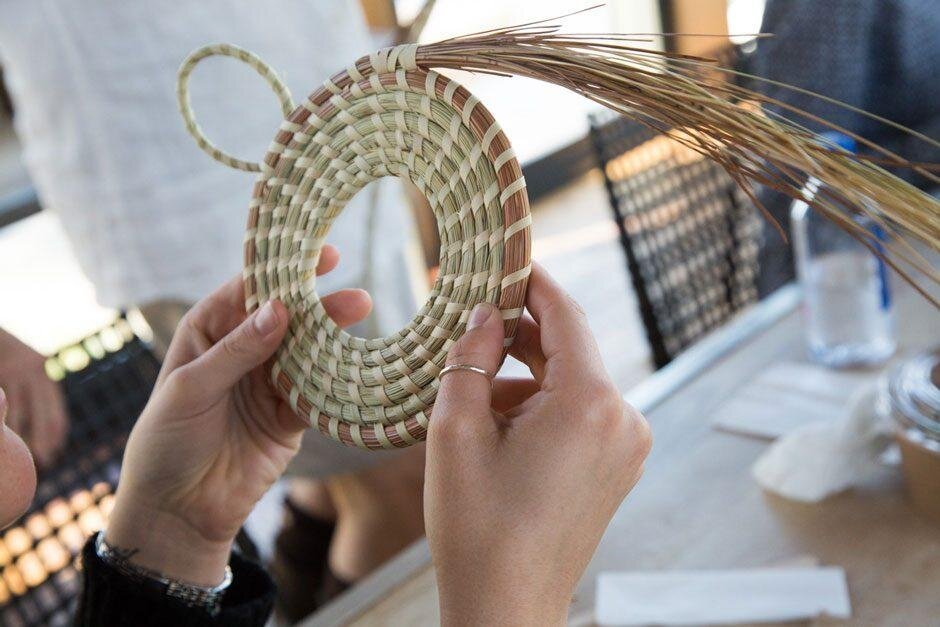
A donation to the Driftless Folk School helps to insure that these skills, knowledge, and events remain available and affordable, and allows us to continue to cultivate personal and cultural resilience into the future… THANK YOU to everyone who has supported this work with contributions large and small!

Fourth Wednesday of the month from 5-6PM
Tune in the 4th Wednesday of every month at 5pm for “The Folk School Radio Hour” — hosted by familiar voices from Viroqua’s own Driftless Folk School. We’ll be having thoughtful conversation around craft, traditional ways, nutrition, wild spaces and the simple abundance of this beautiful Earth. LISTEN ON WDRT 91.9FM!